Tuesday, December 12, 2017

Power Line Interfering Trees & The City of Alpharetta Tree Ordinance

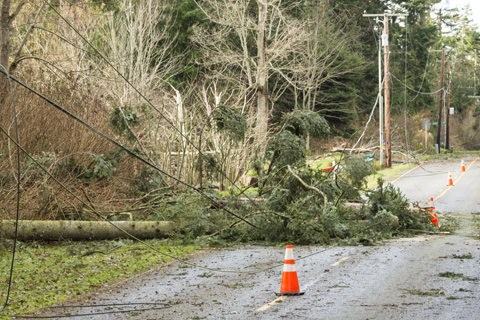
Interfering tree fallen over powerlines in Alpharetta Ga

Whether you see trees interfering with power lines on your property or in the public right-of-way, it is important that you do not take matters into your own hands. When trees come in contact with power lines, they may break or bring the power lines crashing down. 72 Tree has seen this cause power outages in Alpharetta and notes these scenarios should be taken very seriously.

The trees are treated as seriously as the potential electrical hazard. The City of Alpharetta Tree Ordinance protects the city’s trees (both alive and dead) and imposes heavy fines for the unlawful cutting or removal of them.

Trees Interfering With Power Lines in the Public Right-of-Way

Alpharetta residents should report any tree on public property which poses a hazard to power lines by visiting Georgia Power or calling (888) 891-0938 and press option #2 – dangerous condition.

If storm-damaged limbs or a diseased tree has fallen and is obstructing the roadway, dial 9-1-1 (day or night) and provide as much information as possible for a swift and accurate response by emergency services. For occurrences in or on all other public property, contact the City of Alpharetta Arborist – David Shostak at (678) 297-6229.

Tree Branches Are Touching My Power Lines

When tree branches make contact with power lines, do not take any measures to correct the situation. Keep any and all ladders, equipment, and hands away from the tree and the power lines to avoid electrical shock.

In this situation, there are two options to safely have the situation mitigated:

Contact a tree professional properly licensed and trained to trim or cut the tree. Most professional tree services will make sure that the proper permits are acquired before starting any work.

Contact Georgia Power to advise of the tree and its potential danger. Georgia Power doesn’t attend to a single request on private property, typically they will cut and trim entire rows of trees. However, depending on the severity of the situation, they may respond or direct you to who can resolve the situation.

City of Alpharetta Ga Tree Ordinance

Specimen Trees – In the City of Alpharetta, specimen trees are provided special protection under the law. The damage, destruction or removal of these trees (dead or alive) without a permit may incur severe fines and penalties. There are also heavy replanting requirements when a specimen tree is lawfully removed. Contact the City arborist for further details regarding specimen trees at (678) 297-6229 or via email: treepermits@alpharetta.ga.us
 
Specimen tree size criteria is as follows:

Understory Trees – 8 inches DBH and greater

Overstory Trees – 24 inches DBH and greater

Pine Trees – 30 inches DBH and greater

DBH – “Diameter at Breast Height” is a standard measurement method of the diameter of the trunk of a standing tree. The diameter of the trunk is typically measured 4.5 feet above the ground (unless otherwise specified).

Tree Density Requirements – Tree density for single family residential property owners. The City of Alpharetta requires a minimum tree density on the property’s plantable area. Homes built prior to 1992, have a required minimum density of 20%. If built after 1992, a 30% minimum density is required.
 
For the determination of coverage for both understory and overstory trees, the City of Alpharetta provides a worksheet to accurately calculate the percentage. Questions on this matter should be directed to the City arborist at (678) 297-6229 or through email: treepermits@alpharetta.ga.us 

For complete tree removal requirements in Alpharetta Ga, visit www.alpharetta.ga.us/government/departments/community-development/tree-removal

Seek Professional Advice Before Cutting or Trimming Your Tree

Before taking any action regarding trees in Alpharetta, seek the advice of an ISA Certified Arborist, tree cutting and removal service, or the City of Alpharetta’s Arborist Division. The potential cost of acting alone or out of haste is too great.

Always remember that when trees pose a hazard to life, taken down power lines, or have fallen and obstructed the road, stay clear of the affected area, do not drive over the power lines, and dial 9-1-1 for an immediate response.

This article was first published on: http://www.72tree.com/power-line-interfering-trees-city-alpharetta-ga-ordinance/

Tuesday, November 21, 2017

What Is an ISA Certified Arborist?

ISA Certified Arborist tree service Roswell Ga

If you have trees in your landscape, you should already know the immense value they can bring to your property. More-so, you should be aware of the danger they may pose if left uncared for. Keeping your trees healthy, well pruned, and vibrant works to create a diverse landscape ecosystem while boosting your home’s curb appeal.

The Role of an Arborist in Your Tree Care

When in the planning stages or the implementation phase of your landscape, consulting an ISA Certified Arborist will keep you from making potentially costly mistakes. Some trees should never be planted near structures, while others (with invasive root systems) should not be located near water supply lines, driveways or asphalt.

As your landscape grows and ages, the role of a Certified Arborist is to help you maintain your trees properly pruned, trimmed, and more importantly – healthy. When those trees are compromised by disease, pest infestations or severe weather, it is a properly trained and equipped arborist who can determine the best course for its removal.

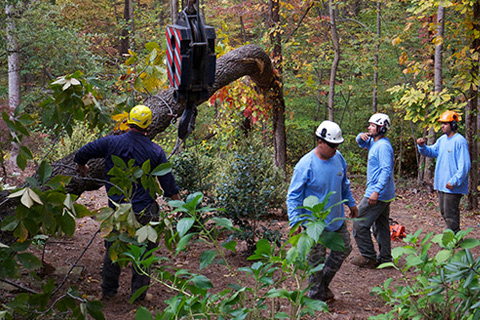
Watch how our Roswell Ga arborist (https://georgiaarborist.org/Sys/PublicProfile/246617/62524) coordinates the removal of a high-risk tree using a 275 ton crane:

What is an Arborist?

Simply put, an arborist is a tree care professional. They are trained and have invested significant time in the study of planting, caring for, treating, removing, and overall maintenance of trees, either individually or in an ecosystem.

What is an ISA Certified Arborist?

For nearly a century, the International Society of Arboriculture (ISA) has been a fundamental part in both the science and education within the tree care industry.

To become an ISA Certified Arborist, an individual must reach a level of knowledge and practice in the art and science of tree care. To carry the title “certified”, a comprehensive exam (created and developed by leading tree care experts) must be passed. It cannot go without mentioning that this process and certification are completely voluntary.

Roswell Ga tree cutting and removal by ISA Certified Arborist

It doesn’t stop there. In order to maintain certification, Certified Arborists must follow a strict code of ethics and continue their education. Due to this aspect alone, when you call on a Certified Arborist, more-than-likely, the individual will possess the most current knowledge and practice available in the tree care industry.

NOTE: ISA Certification can attest to the knowledge of a tree care professional. It does not measure the standards nor the quality of service or performance.

The Hiring of a Tree Care Professional

All ethical Certified Arborists will agree that the decision to hire a tree professional should not be taken lightly. It is important to do the research and “know” who you are contracting to manage your tree issues. All ISA certified arborist are listed here: http://www.treesaregood.org/findanarborist/findanarborist

Look for reviews, ask for references, check out current or past projects to see (first hand) the quality of their work. It cannot be overstated, the necessity to be comfortable with the services provided by your tree professional, as that relationship may be ongoing for many years.

72tree.com staffs a master arborist to help Roswell residents with tree removal, cutting, disease, or assessment services. We look forward to assisting you and preserving the health of your trees and plants.

This article was first published on: http://www.72tree.com/what-is-an-isa-certified-arborist/

Monday, October 23, 2017

Helping Your Trees Survive the Winter

Dormant deciduous tree in winter

There are a number of things you can do to help your trees survive the winter when they go dormant. Almost everything about winter; the ground freezing, the heat of daytime followed by freezing nights, snow and ice storms can all damage your tree.

Trees are known for their ability to survive through the winter and then spring back to life during the spring. Today we’ll be taking a look at just how trees are able to do this, and we’ll learn something about nature as we go.

Let’s start by looking at dormancy and some of the measures 72 Tree and you can take to help your trees survive the coldest months.

Dormancy in Deciduous Trees

Dormancy is one of the coolest tricks Mother Nature knows. This is when a tree stops producing food during the winter and no longer needs the photosynthesis process or the leaves involved in it. So leaves have to be removed to conserve energy. Deciduous trees produce a chemical called abscisic acid (ABA) in the terminal buds that connect leaves, telling leaves it’s time for them to go.

ABA prevents both deciduous and coniferous trees from growing. This impeded growth is another part of the dormancy process, further reducing how much energy the tree consumes. As the tree enters a conservation state, the metabolism of the tree slows down; using the energy from stored food slowly to maintain vital functions.

Winter Tree Care

Pruning – You should wait until dormancy to prune your tree, when you aren’t likely to damage new growth. Late season growth is particularly at risk from pruning, as it hasn’t had the time to prepare for winter months. Ice crystals may form within new growth and rupture cell walls. If they aren’t pruned properly, they are likely to die off during the spring.

Visit here for more pruning tips and instructions.

Mulching – Winter drought is a problem caused by a tree shrub or plant losing more moisture than can be absorbed. While you aren’t able to control the weather, you have some influence of the effects of it. Putting a thick layer of organic mulch down before winter temperatures set in helps to insulate the roots. The mulch also prevents runoff and moisture loss, benefiting the overall health and hydration of the tree.

Please note that trees don’t freeze entirely, even in a dormant state. Looking at the tree shows you they prepare on the cellular levels. It sounds incredible, but much of the work a tree does to survive winter is happening under the bark inside the tree.

Remove Build-up of Ice and Snow – It’s likely that you might see snow build up on your tree or cling to the branches of it following some bad winter weather. It’s important that you leave the snow be and don’t shake it off. There’s a good chance that the branches have frozen solid and become brittle. Shaking them could damage the tree or even cause these limbs to break off and fall, which is a serious hazard. If you find yourself in this situation then call in a tree professional to evaluate the situation. They will be able to advise the best course of action to take.

Trees Spring Into Life Following Dormancy

Trees will start springing back to life as the days get longer and the temperatures get warmer. If you took care of them properly, then you’re in for another year of beauty and shade provided by a healthy tree. Taking care of them, by the way, means doing absolutely nothing and letting nature take its course. After taking care of the seasonal pruning, you’ll have done enough to protect your tree. Trust the natural survival mechanisms of your tree to handle everything else.

Your trees are often stressed during winter. Knowing ways to lessen the impact is helpful. Learn these preventative tree stress methods to give your trees a greater chance at prolonged health and life. 72tree.com/winter-tree-stress-prevention-and-protection-tips/

This article was first published on: http://www.72tree.com/helping-trees-survive-winter/

Monday, September 18, 2017

Assessing Tree Damage Post Hurricane

Tree severely damaged by hurricane with snapped trunk
The very random weather condition in Georgia can be tough on trees. 72tree.com deals in disaster relief, so we often see the impact of weather on trees. Regardless of whether it’s a hurricane, ice storm, hail, tropical storm or strong winds, immediately after the weather event, caution and care should be taken to treat and heal the affected trees immediately.

Trees in native stands are said to sustain fewer wounds and decay when compared to their counterparts in the urban and suburban environments. Severe storms like hurricanes and torrential downpour in addition to debris and structures can causes trees to sustain severe and fatal injuries.

Humans to a large extent contribute to these injuries – albeit by accident, such as construction equipment, vehicles, bumping into the tree trunks, lawn mowers, improper pruning and surface roots. Other natural events like severe storms can cause devastating injuries, crown damage and on some occasions, total destruction of the trunk.

Evaluating Tree Damages

Often times, trees easily recover from severe damages arising from harsh storms. Before felling trees that can be saved, use the guide below to help you diagnose them;

Missing Limbs – The more severe the damage to the tree limb is, the lesser the chances of recovery. If a majority of the branches are gone, removal should be considered as the tree has a very little chance of pulling through.

Is the Crown Intact? – If the crown of the tree has a significant portion of its branches affected, removal should be pondered as it may not produce enough to last another season. The crown extends from the tree trunk in the canopy region.

Multiple Missing Limbs – Normally, the remaining limbs are expected to grow rapidly to replace the missing foliage. Check to see that the branches are in the right place, as they will help in giving the tree a fuller appearance.

Assessing Trunk Wounds and Their Treatment

Trunk wounds that pierce the bark of the tree will damage its cambium layer – a thin layer of vascular tissue, which helps in conveying mineral and nutrients. In the event that there is a wound on the trunk, carefully, the injured bark should be removed, what should remain is a healthy bark that is healthy and firmer on the tree.

Decay-causing fungi can initialize a decay process when a wound occurs. Trees have a special defense system – the wood around the wound produces a special compound in the wood cells that will obstruct and segregate the affected part – this process is known as compartmentalization.

To hasten the healing process, branches affected by the storm should be properly pruned. 72 Tree warns to ensure that you do not prune directly against the trunk as flush cuts can cause widespread decay.

Tree Removal as a Last Resort

Tree removal is often at the bottom of the list, but some circumstances can justify the action. Furthermore, our Arborist treesaregood.org/findanarborist/findanarborist/id/169107 can help you ascertain if a tree needs to be removed or not.

However, before a decision can be reached, these factors should be taken into consideration:

• The age
• The species
• Type of soil and saturation
• The tree’s capacity to sprout and recover
• The tree’s position (level or sloped terrain)

Once you have reached a decision, arrange a meeting with a professional tree service to treat or have the tree removed. In conjunction with an arborist, tree professionals have the needed skill, equipment and experience to safely remove a tree in the safest possible manner.

This article was first published on: http://www.72tree.com/assessing-tree-damage-post-hurricane/

Tuesday, August 22, 2017

Tree Buying Tips

Trees container grown and bare root ready to plant
These tree buying tips will assist you in the purchasing of a healthy tree. Keep in mind that proper tree care starts when you select a tree, making the right selection will affect its shape, strength, and even its life span.

Research is key. Before buying trees, layout a plan of where they will be planted. Know how large they will grow, how far the canopy will extend, and how much space they will need to reach their maximum potential.

The Hardiness Zone Map will help you select appropriate trees for the geographic region they will be planted in. Consulting your local tree professional is always a good idea if you have any doubts.

The USDA Hardiness Zone Map Explained

The state of Georgia finds itself in zones 7-A & B and 8-A & B. A hardiness zone is based on a 30 year average of annual extreme minimum temperatures. It’s not based on the lowest recorded temperature in a region or what may happen in the future.

Keep this in mind as you choose plants and trees, especially if you are planning to “push” the hardiness zone by planting trees and plants not designated for your particular zone.

To learn more about the USDA hardiness zone read this: 72tree.com/trees-shrubs-usda-hardiness-zone-map/

The Right Season for Planting

Planting – There are two seasons for planting trees. Early spring and early fall. There is an interesting debate here. One side of the argument is that planting in early spring (when the tree is coming out of dormancy) reduces the shock and recovery time of the tree. The other side argues that planting in early fall allows the tree to establish its root system and adapt to its environment before entering dormancy.

Depending on the hardiness zone and the tree species, either season may be appropriate for planting. If you have any doubts, consult our tree service and professionals.

Transplanting – Regardless of how carefully performed, transplanting results in the damage of a great portion of the tree’s root system. It is important that the digging, moving, and replanting operations be carried out with the least possible damage to the remaining root system.

The recommended time for moving trees is during the dormant season. Early spring is generally the best time to transplant; conditions should be ideal for rapid root growth.

For more tree planting tips and details of the process, visit: treecareadvice.blogspot.com/2015/12/properly-planting-canadian-hemlock.html

Purchasing Bare Root vs Container Grown

Bare Root – Abundant root growth should be present, there should be fibrous and numerous small roots as well. They should have good color to them being flexible and moist. Deciduous trees should present roots equal in length to its stems.

Container Grown – Avoid trees that have become root bound in their container. Roots circling around in the container will likely become circling roots (cut them when planting).

NOTE: Examine the tree’s roots, trunk, and canopy. Trees are able to absorb water from the tips of their youngest roots and undisturbed, fibrous, and non-circling root systems are your best option.

Buying Strong and Healthy Trees

When deciding on which trees to purchase for your landscape or project, keep in mind that the Hardiness Zone Map will guide you by the geographic region you are planting in, while the season you are planting in will determine if you should plant or transplant.

Whether you choose bare root or container grown, be sure to inspect the roots, trunk and canopy. Avoid trees that don’t meet your standards, and always look for the strong and healthy ones.

This article was first published on: http://www.72tree.com/tree-buying-tips/

Monday, July 24, 2017

Trees, Shrubs, and the USDA Hardiness Zone Map

Choose trees plants and shrubs using the USDA Plant Hardiness Zone Map

If you have ever gone into the nursery and picked a plant or tree, later to realize it was not suitable to be planted in the environment in which you live, this can be avoided. Besides the scientific plant name and care instructions, you will notice the hardiness zone printed on its tag.

The USDA Hardiness Zone Map splits North America up into 11 separate planting zones. Each individual planting zone is around 10°F colder (or warmer) than the adjacent zone during an average winter. If you’re reading a plant description in a gardening magazine and you see a mention of a hardiness zone, then it’s likely referring to the USDA Hardiness Zone map.

What are Hardiness Zones?

A hardiness zone is based on average annual extreme minimum temperatures across a 30-year period. It’s not based on the lowest recorded temperature in a region or what might possibly happen in the future. Gardeners must keep this in mind as they choose plants and trees, especially if they are planning to “push” the hardiness zone they live in by planting trees and plants not suited for that particular hardiness zone. Something else to keep in mind is that there could be microclimates that won’t show up on a map – even one as detailed as the current USDA PHZM map.

Eastern Zones vs Western Zones

Eastern Zones – The USDA map is great at its job of outlining the different gardening climates of the eastern half of North America. This is a comparatively flat area, which means it can be mapped out by drawing lines approximately parallel to the Gulf Coast around every 120 miles as you progress north. The lines will start to tilt northeast as the Eastern Seaboard approaches. The USDA map also accounts for the special climates caused by the Appalachian mountains and the Great Lakes.

Western Zones – A range of factors including winter lows, elevation and precipitation determine the growing climates in western North America. The weather in the west floats in from the Pacific Ocean, becoming less humid as it moves around the mountain ranges to the west. The growing climates in the west can vary quite a bit compared to the east, where cities in similar zones can grow the same plants in the same climates. The weather – and the plants that can be grown in it – in coastal Seattle are much different than what you can expect in the higher and more inland Tucson, Arizona. This is in spite of both cities being a part of zone 8 of the USDA map.

To find the zone for where you live, see http://planthardiness.ars.usda.gov/PHZMWeb/

Ideal Trees and Shrubs for Alpharetta and Roswell Ga

Many of our customer’s aim to improve their well-manicured yards with trees, shrubs, and flowers. Of course the right sunlight, soil, and moisture conditions are factors needed for these plants to flourish. After being asked for specific species, we created a short list of popular trees and common shrubs that will thrive in Alpharetta and Roswell Ga. 7a and 7b are the zones for North Georgia, so next time you visit the nursery, be sure to look for plants that are conducive to living in these zones.

Other Factors to Consider with the Hardiness Zone Map

There are other environmental factors that determine whether a plant succeeds or fails on top of the hardiness zones. Wind levels, soil type and moisture, humidity, pollution, winter sunshine, and snow are all major contributing factors to plant survival. Whether or not a plant survives can also depend on where it is planted, how it is planted, their size, and their overall health.

The map was most recently updated in 2012 when the USDA adjusted the plant hardiness map to account for the warmer global temperatures occurring over the past thirty years. Refer to this resource when purchasing trees and plants for your garden and landscape.

Interactive Map: http://planthardiness.ars.usda.gov/phzmweb/interactivemap.aspx

This article was first published on: http://www.72tree.com/trees-shrubs-usda-hardiness-zone-map/

Tuesday, June 27, 2017

3 Tips for a Healthy Summer Lawn and Garden

You don’t need a landscape expert to tell you that your lawn is under intense heat when the summer sun arrives. This is why you must proactively take care of the lawn and prepare so that it will retain its health and appearance.

Summer is when many homeowners choose to list and present their home to buyers. The exterior – lawn, landscaping, and curb appeal – is what will draw and attract buyers to your home.

Keep your garden and lawn fresh this summer by following these simple and easy to implement tips:

1. Keep Chemical Fertilizers Away from Your Plants

Organic and natural solutions are typically best when compared with chemical fertilizers. Though chemical fertilizers can ignite growth and vitality, an unintended counteraction may leave you with an insect infestation problem.

This issue arises as using fertilizers during summer encourages super growth, which would require more pruning, trimming, mowing and watering. This creates a problem because as you overwater the plants, insects will invade the plant. Use natural solutions to treat and care for your plants, and if you have insect problems, see 72tree.com/using-dormant-horticultural-oil-treat-tree-insect-infestations/

2. Always Mow Your Yard and Prune your Trees

Give your lawn, shrubs, and trees that wonderful view when you regularly mow your yard, trim and prune your trees. You will be proud of yourself when you go to relax in the garden and you begin to enjoy the rich view and healthy smell.

Your soil conditions and type of grass will determine the frequency at which it should be cut. 3 inches is an optimal height for summer, but be aware that cutting your grass too low, will lead to weed invasion and heat damage.

Weeds are another thing to tame because they can rob your soil and grass of valuable nutrients. This may eventually lead to their taking over your yard. Keep your lawn cut, watered, and free of weeds.

Tree trimming is not only done for aesthetics and safety reasons, it also actually improves the overall health of trees shrubs. Structural appeal is important, but pruning boosts the development and growth of your plants when performed properly.

For more on tree pruning visit treecareadvice.blogspot.com/2016/03/tree-pruning-why-how-and-when-to-prune-trees.html

3. Strategically Plant and Water Your Landscape

When planting, take into account the amount of direct sunlight needed for each species. Identify the locations in your yard that have partial shade, and use these as needed. You want to add mulch to your flowerbeds to keep pests off and retain moisture in the roots.

You might want to consider watering your plants adequately and often if you reside in an area that is overly dry. You’ll be surprised at the rate to which plants dry up during the summer months. Create a simple schedule and do your best to prevent that from happening.

When watering, make sure you water deeply so that it will get to the roots of the plant because that’s where the “engine” of the plant is.

Tip – Some decorative plants are drought tolerant and don’t require frequent watering. Lithops, Wallflowers, and Verbenas are beautiful flowering plants that have a great low to moderate watering tolerance.

Maintenance of Your Landscape

There’s a different maintenance routine for all properties and landscape. It is highly advisable that you seek the services of a professional in Landscape on deciding the best method for maintenance of your property. Always remember that your landscape is what will attract visitors and buyers alike to your property, so be sure to dish out a best first impression.

This article was first published on: http://www.72tree.com/3-tips-healthy-summer-lawn-garden/