Showing posts with label Trees. Show all posts

Thursday, January 30, 2025

Dutch Elm Disease

Dutch Elm Disease is a destructive fungus that kills elm trees. This 72tree.com guide covers how to identify, manage, and prevent it.

dutch elm disease

Key Takeaways

• Dutch Elm Disease is primarily caused by the fungal pathogens Ophiostoma ulmi and Ophiostoma novo-ulmi, and its spread is significantly facilitated by elm bark beetles.

• Early detection of symptoms, such as wilting leaves and brown streaks in sapwood, is crucial for managing the disease effectively and preventing widespread devastation.

• Preventive measures, including tree inoculation with fungicides and community engagement in management efforts, are essential for safeguarding elm populations from Dutch Elm Disease.

Understanding Dutch Elm Disease

Dutch Elm Disease is caused by the invasive fungal pathogens Ophiostoma ulmi and Ophiostoma novo-ulmi, with the latter being the most prevalent today. The disease was first described in the Netherlands around 1920, though it is believed to have originated in Asia. This invasive fungus leads to the wilting and death of elm trees, significantly reducing their populations and impacting biodiversity. The historical event known as the ‘Elm Decline’ in northwest Europe around 4000 BC was also caused by similar diseases, highlighting the long-standing battle between elm trees and fungal pathogens.

Since its introduction to regions like Minnesota in the early 1960’s, Dutch Elm Disease has profoundly impacted elm populations. The Dutch elm disease spread rapidly, causing symptoms within weeks to a couple of years, depending on the health of the tree. During the summer, fungal spores grow within the tree’s vascular system, leading to characteristic symptoms of the disease.

Elm bark beetles, including the native elm bark beetle, are significant vectors for spreading Dutch Elm Disease. These beetles carry the fungal spores from infected trees to healthy ones, contributing to the rapid proliferation of the disease. Knowledge of the biology and history of Dutch Elm Disease helps in creating effective management and prevention strategies.

Identifying Symptoms of DED

Detecting the early symptoms of Dutch Elm Disease enables timely intervention. One of the first signs to look for is the yellowing and wilting of leaves, often starting in late spring and summer. The leaves may turn from a dull green to yellow, indicating the onset of the disease. This initial phase is known as ‘flagging,’ where a small patch of wilting foliage appears, gradually expanding towards the trunk as the infection progresses.

In addition to wilting leaves, infected branches may exhibit brown streaks in the sapwood, which can be observed when the bark is removed. These streaks are a telltale sign of the disease and highlight the need for immediate action. Catching the disease at this stage can make a significant difference in managing its spread and impact.

an infected elm tree showing signs of Dutch elm disease

Prompt detection and intervention are key to battling Dutch Elm Disease. Identifying these symptoms enables tree owners and care professionals to manage and treat infected trees, potentially preventing complete devastation.

How Dutch Elm Disease Spreads

The spread of Dutch Elm Disease is primarily facilitated by elm bark beetles, including the native elm bark beetle and the banded elm bark beetle. These beetles carry fungal spores from infected trees to healthy ones, initiating new infections through their feeding activities. The fungus survives in the wood of infected trees, and as beetles feed, they transfer the spores, thus spreading the disease.

Another significant mode of transmission is through root grafts. When adjacent elm trees’ root systems are interconnected, the disease can spread quickly from one tree to another. This underground pathway allows the fungus to move rapidly, infecting multiple elm trees in a short period. Pruning of elm trees is restricted during specific months to reduce the risk of attracting beetles.

Practical measures to control the spread include the removal of infected trees and proper disposal of infected wood. Understanding the spread of Dutch Elm Disease allows communities to implement strategies to curb its proliferation and protect healthy elm populations.

Vulnerable Elm Species

Certain elm species are more vulnerable to Dutch Elm Disease than others. For instance, the American elm is one of the most affected species. Other species, like the red elm and rock elm, are also significantly impacted. With their majestic canopies and historical significance, these species have suffered greatly due to the disease.

In contrast, Asiatic elms, such as Chinese, Japanese, and Siberian elm, have shown higher resistance to Dutch Elm Disease. Hybrid Asian elms have been bred specifically to exhibit resistance to this devastating disease. Some notable resistant cultivars of American elm include Princeton and Prairie Expedition, which, though less susceptible, are not completely immune.

Recent developments in breeding programs have led to the introduction of ten resistant cultivars of American elm. However, these resistant varieties may require significant pruning in their early years to establish an optimal structure. Knowing the susceptibility and resistance of different elm species aids in effective management and replanting efforts.

Managing Infected Trees

certified arborist examining an infected tree for Dutch elm disease

Managing infected trees involves a combination of early detection, proper pruning, and appropriate disposal. Infected branches should be removed before the infection reaches the tree’s main stem, ideally cutting at least 5 feet, preferably 10 feet, below the last sign of streaking in the sapwood. Fungicide treatments can also be applied, although they are not effective against infections spread through root grafts.

Community-wide management programs are essential for controlling Dutch Elm Disease. These programs include preventative actions, sanitation measures, and early pruning of infections. Sanitation measures involve the early detection, isolation, removal, and proper disposal of weakened or dead trees to remove potential beetle breeding sites and sources of the DED fungus.

Pruned elm wood must be disposed of properly, either by chipping or de-barking and burying it to prevent the spread of the disease. Fungicide injections can protect elm trees from infection when done properly and repeated every 1-3 years, although they are not effective against root graft infections. Adhering to these management strategies allows communities to combat Dutch Elm Disease and protect their elm populations effectively.

Preventive Measures

Preventive measures are essential to safeguard healthy elm trees from Dutch Elm Disease. Here are some effective methods:

1. Inoculation of elm trees with fungicides such as Arbotect 20-S can provide protection for up to three years.

2. Use of fungicides with active ingredients, such as thiabendazole and propiconazole, which show effectiveness in managing fungal issues.

3. Ensure that a certified arborist supervises the fungicide injection procedure to guarantee proper treatment.

In addition to chemical treatments, planting disease-resistant varieties of elm, such as Asiatic elms, lacebark elm (Ulmus parvifolia), and other resistant cultivars, can help reduce the impact of Dutch Elm Disease.

Mechanical trenching can effectively prevent the spread of Dutch Elm Disease through root grafts, safeguarding healthy trees. Implementing these preventive measures helps communities ensure the longevity and health of their elm populations.

The Role of Elm Bark Beetles

elm bark beetles on a tree - spreading Dutch elm disease

Elm bark beetles play a critical role in the spread of Dutch Elm Disease. The native elm bark beetle, smaller European elm bark beetle, and banded elm bark beetle are known to carry the Dutch Elm Disease fungus on their bodies. These beetles contribute to new infections by carrying fungal spores and dropping them while feeding on healthy trees.

Elm bark beetles lay their eggs under the bark of dead or dying trees and in firewood or logs that still have bark. Adult European elm bark beetles emerge in the spring to feed on healthy tree twigs, particularly attracted to stressed or dying elms. These beetles can produce multiple generations in a single year, typically ranging from two to three generations.

Knowledge of the biology and behavior of elm bark beetles is vital for creating effective management strategies. Targeting beetles and their breeding sites helps communities reduce the spread of Dutch Elm Disease and protect healthy elm trees.

Regulatory and Community Efforts

Local regulations play a crucial role in managing Dutch Elm Disease. Infected elm trees cannot legally remain on any lot as per city ordinances. For instance, Oregon has declared an emergency quarantine regarding elm wood, requiring it to be chipped or de-barked and buried to prevent further spread. Local authorities have the legal power to inspect and destroy elm trees suspected of infection to prevent disease spread.

Community involvement is equally important. Local community organizations often collaborate to raise funds for inoculating elm trees and replanting efforts after removals. Fundraising and initiatives for tree inoculation are vital components of a successful community-wide management program.

Human activities like improperly disposing of infected wood, for example, can exacerbate the spread of Dutch Elm Disease. Adhering to regulations and participating in community efforts allows individuals to contribute to effective disease management.

Biological Insights into DED

The fungal pathogen Ophiostoma novo-ulmi, responsible for Dutch Elm Disease, has a complex genetic makeup. Its genetic capacity includes around 310 enzymes that break down carbohydrates, aiding in its pathogenicity.

Fungal spores travel through the elm tree. They are transported upward by the water flow in the vascular system. Trees produce structures known as tyloses to try and stop fungal movement; Ophiostoma novo-ulmi’s evolution has been influenced by acquiring genes from its close relative Ophiostoma ulmi through hybrid formation. The fungus also utilizes terpenes from elm trees, which may play a role in its pathogenic interactions with the host.

Knowing these biological mechanisms helps create effective strategies to combat Dutch Elm Disease. Advanced knowledge of the fungus’s genetics and interactions with elm trees can lead to more targeted and effective treatments.

Research and Future Directions

Ongoing research is essential for combating Dutch Elm Disease. Monitoring the genetic diversity of Ophiostoma novo-ulmi populations is critical due to their rapid evolution and adaptation. Current genetic studies suggest that elm resistance to Dutch Elm Disease is likely controlled by multiple genes. Biotechnology may enhance our understanding of elm resistance processes, enabling the deployment of trees with durable resistance.

Initiatives for elm breeding and restoration are currently being pursued in both Europe and North America to combat Dutch Elm Disease. The phenomenon of phenotypic plasticity in wych elms indicates that their resistance to disease can vary depending on environmental conditions. Research shows that the timing of wood formation in elms directly influences their susceptibility to Dutch Elm Disease.

Continuing to explore these areas helps develop more effective strategies for managing and preventing the disease.

Additional Resources

Several organizations and resources are available to those seeking more in-depth information on Dutch Elm Disease. The U.S. Forest Service provides essential guidelines for understanding how to manage and mitigate the impact of the disease. Plant pathology references are also valuable tools for professionals studying the biology of the fungi causing Dutch Elm Disease and its management techniques.

Connecting with local certified arborists can provide personalized advice and practical solutions for dealing with Dutch Elm Disease within specific communities. Utilizing these resources enables tree care professionals and tree owners to better understand and manage the disease.

Dutch Elm Disease Summary

Dutch Elm disease

In summary, Dutch Elm Disease is a formidable foe that requires a comprehensive approach to management and prevention. By understanding the biology of the disease, recognizing early symptoms, and implementing effective management and preventive measures, we can protect our cherished elm trees. The role of elm bark beetles, local regulations, community efforts, and ongoing research are all critical components of a successful strategy.

We must continue to work together, leveraging scientific advancements and community involvement, to combat Dutch Elm Disease. By doing so, we can ensure the longevity and health of our elm populations for generations to come.

Dutch Elm Frequently Asked Questions

What are the early symptoms of Dutch Elm Disease?

The early symptoms of Dutch Elm Disease include yellowing and wilting leaves, which typically begin in late spring to summer. Infected branches may also show brown streaks in the sapwood when the bark is removed.

How does Dutch Elm Disease spread?

Dutch Elm Disease spreads primarily through elm bark beetles that transport fungal spores from infected to healthy trees and through root grafts connecting neighboring elms. This dual mode of transmission underscores the importance of monitoring and managing both beetle populations and tree health.

Which elm species are most vulnerable to Dutch Elm Disease?

The American elm is particularly vulnerable to Dutch Elm Disease, along with the red elm and rock elm. In contrast, Asiatic elms like Chinese, Japanese, and Siberian elms display greater resistance to the disease.

What measures can be taken to manage infected trees?

To effectively manage infected trees, early detection and proper pruning of infected branches are crucial, along with appropriate disposal methods. Additionally, fungicide treatments may be beneficial, but they do not address infections spread through root grafts.

How can communities help prevent the spread of Dutch Elm Disease?

Communities can effectively prevent the spread of Dutch Elm Disease by engaging in fundraising, tree inoculation, and replanting initiatives while also ensuring compliance with local regulations and the proper disposal of infected wood. These collective efforts are vital for protecting local elm populations.

This article was first published on: https://www.72tree.com/dutch-elm-disease/

Friday, August 25, 2023

Why Is Bark Peeling Off My Tree?

Ever strolled through your yard or a park and noticed the tree bark peeling off in large chunks, exposing the wood beneath? If you’re a homeowner like us, you might have wondered, “Why is bark peeling off my tree?” and whether it’s a sign of a tree in distress. Worry not, for we are here to uncover the reasons behind peeling tree bark and provide you with the knowledge to care for your leafy friends.

Short Summary

• Understanding tree bark shedding is essential to identify environmental damage or tree disease.
• Certain species naturally shed their bark during growth and development, while extreme temperatures can cause peeling in fruit/nut trees.
• Monitor the health of trees with peeling bark & seek professional help from certified arborists.

Understanding Tree Bark Shedding

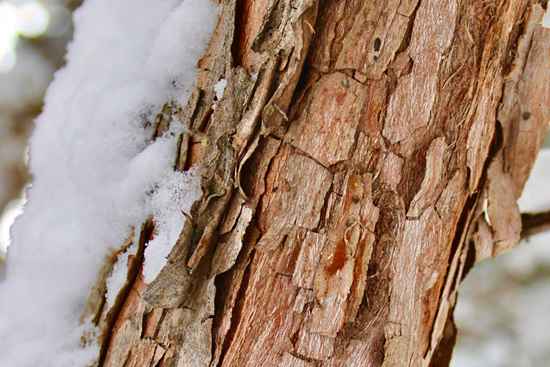
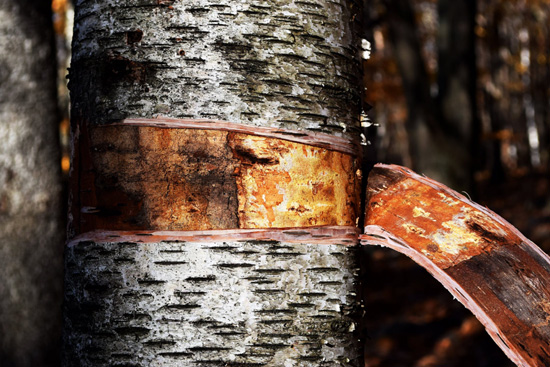
close-up of a tree bark with peeling and shedding

Peeling bark can be an unsettling sight, but it’s not always a sign of a tree in danger. Shedding bark is a natural process for many trees, allowing them to grow and adapt to their environment. Temperature fluctuations and the inherent characteristics of certain species can also contribute to bark peeling. So, how can you tell if your tree is shedding its bark as part of a healthy growth process or if it’s a symptom of a disease or environmental damage? The answer lies in observing what’s underneath the peeling layer.

The tree is likely undergoing a normal shedding process if you notice healthy, new bark covering the wood when the old bark peels away. This is a sign that the shedding process is regular and healthy. If you see bare wood or mats of fungus under the peeling bark, it could mean the tree is suffering from environmental damage or disease. Get advice from a tree specialist if you suspect this is the case. In such cases, it’s crucial to identify the cause and take action to prevent further harm to the tree.

Natural Bark Shedding in Certain Species

Trees such as silver maple and sycamore trees are known to naturally shed their bark as part of their growth and development. In fact, several of the following species shed naturally:

• Paperbark maple
• Kousa dogwood
• American sycamore
• Silver maple
• Scots pine
• Redbud
• London planetree
• Shagbark hickory
• Various types of maples

Many trees exhibit natural bark shedding, which can sometimes be confused with bark splits, especially when observed from the bark underneath. In some cases, dead bark falls leaving exposed wood on the tree. It is essential to differentiate between these occurrences and loose bark, which may indicate a different issue. One way to identify this is by looking for naturally shed bark around the tree with thick bark.

The purpose of this shedding is to enable the growth of new, healthy bark by discarding old and dead layers. This phenomenon is natural and essential for the tree’s overall health. So, when you encounter bark shedding in such species, you can rest assured that it’s a sign of growth and vitality.

Temperature-Related Bark Peeling

tree dealing with temperature-related issues and question of why is bark peeling off my tree

Extreme temperatures and sudden fluctuations can lead to bark shedding, especially in fruit and nut trees. Frost cracks and sunscalds are two common temperature-related causes of bark peeling. These factors can expose the underlying layers of the tree, making it more susceptible to pests and diseases.

To mitigate the risk of temperature-related bark peeling, monitoring your tree’s exposure to extreme temperatures is essential. Providing shade during hot afternoons and protecting the trunk from freezing temperatures can help maintain your tree’s health and minimize the risk of peeling bark.

Thin Bark and Seasonal Shedding

Trees with thin bark, such as maple trees and pine trees, may shed more frequently during warmer seasons. This increased shedding is a natural occurrence that allows the tree to receive more sunlight exposure, ultimately benefiting its growth.

So, if you notice your thin-barked tree shedding more than usual during the warmer months, there’s no need to panic—it’s all part of nature’s plan.

Identifying Diseases and Pests Affecting Tree Bark

tree with yellowing and wilting leaves indicating a fungal infection

While shedding bark can be a natural process for certain species and in specific conditions, diseases, and pests can also cause trees to lose their protective layers. Identifying the root cause of bark shedding will prevent further damage and ensure the tree’s survival.

Fungal infections, such as Cytospora canker and Botryosphaeria, and insect damage from defoliating, burrowing, and sucking insects can all lead to bark peeling. In the following sections, we will delve deeper into these issues and discuss how to identify and address them.

Fungal Infections Causing Bark Peeling

Fungal infections, like Hypoxylon canker, can lead to bark peeling, yellowing leaves, and dying branches. If you suspect a tree is suffering from a fungal disease, inspect the bark for signs of infection, such as a white or grayish hue accompanied by wilting leaves.

If your tree is diagnosed with a fungal infection like Hypoxylon canker, it’s crucial to take the following steps:

1) Remove the infected tree.
2) Dispose of the wood properly to prevent the spread of the fungus.
3) Take timely intervention to save surrounding trees from infection and prevent further damage to the ecosystem.

Insect Damage to Tree Bark

Insects, such as beetles and spotted lanternflies, can wreak havoc on tree bark by laying eggs, causing the bark to break and slide off, leaving the tree vulnerable to infestation. Some insects that are known to cause damage to tree bark include:

• Borers
• Bark beetles
• Clearwing moths
• Other tree borers

To protect your tree from insect damage, inspect the bark for signs of infestation, such as holes or sawdust-like material surrounding the tree. If you find evidence of insect damage, consult a tree care specialist or arborist to help diagnose and treat the issue, ensuring the health and survival of your tree.

Environmental Factors Contributing to Peeling Tree Bark

tree with frost damage on its bark

Apart from natural growth processes and diseases, environmental factors like sunscald, frost damage, and water stress can also contribute to peeling tree bark. Identifying and addressing these environmental causes is crucial to maintaining the health and longevity of your tree, as peeling bark caused by these factors can lead to further complications.

In this section, we’ll explore how sunscald, frost damage, and water stress can cause bark peeling and discuss preventive measures to help your tree thrive despite these environmental challenges.

Sunscald and Frost Damage

Sunscald and frost damage can cause bark peeling, particularly on the south or southwest side of the tree. Sunscald occurs when the warm afternoon sun causes the tree to break dormancy, and the subsequent freezing night temperature causes the newly awakened tissue to die, resulting in unsightly blemishes on the trunk.

To prevent sunscald and frost damage, consider wrapping or painting the trunk of your tree. This protective measure can shield the tree from temperature extremes and help maintain its health and appearance.

Water Stress and Bark Cracking

Water stress, caused by too much or too little water, can lead to bark cracking and peeling. Ensuring your tree receives the appropriate amount of water is essential to its health and well-being.

Proper watering techniques can help alleviate water stress and prevent bark cracking. Water your tree deeply and infrequently, allowing the soil to dry between waterings. This approach encourages deep root growth and helps the tree better withstand periods of drought or excess water.

How to Care for Trees with Peeling Bark

tree with peeling bark and leaves

Caring for trees with peeling bark may seem like a daunting task, but with the proper knowledge and approach, you can help your tree thrive despite any challenges it faces. Monitoring tree health and seeking professional help when necessary can significantly contribute to the well-being of your tree.

In this section, we’ll provide guidance on how to monitor your tree’s health and when to consult a tree care specialist for assistance.

Monitoring Tree Health

Regularly inspect your trees for signs of disease, pests, or environmental stress. Keep an eye out for discolored leaves, wilting, or peeling bark. If you notice any of these signs, it’s essential to take action to maintain your tree’s health, which may include pruning, fertilizing, or treating the tree with an appropriate pesticide.

Taking the time to inspect your trees and address any issues early on can help prevent more significant problems down the line. A proactive approach to tree care will ensure the health and longevity of your leafy friends.

Seeking Professional Help

If you’re unsure about the cause of bark peeling or how to care for your tree, consult a tree care specialist for guidance and assistance. These professionals, such as certified arborists, can help diagnose the problem and provide the necessary treatment or advice.

Don’t hesitate to contact a tree care specialist if you suspect your tree is suffering from disease or environmental damage. Their expertise can help you preserve the health and beauty of your tree, ensuring it remains a vital part of your landscape for years to come.

Summary

Peeling tree bark can be a natural part of a tree’s growth process, a symptom of a disease or pest infestation, or a result of environmental factors like sunscald, frost damage, and water stress. By understanding the various causes of bark peeling and applying preventive measures, you can help ensure the health and longevity of your trees. Remember, monitoring tree health, addressing issues proactively, and seeking professional help when needed can all contribute to a thriving landscape and a greener world for us all.

Frequently Asked Questions

How do you fix peeling bark on a tree?

Clean the damaged area and remove any loose bark. Carefully cut a clean edge around the wound with a chisel and hammer, then fit the bark pieces back onto the tree. Secure the bark in place with tape or rope lightly wrapped around the trunk.

Check in three months to see if the damaged area has been fused back together.

Is my tree dead if the bark is falling off?

The bark on a tree can provide clues as to its health and vitality. Healthy trees will shed their bark as it is replaced with new growth, while a dying tree will struggle to regenerate its bark. Signs of a dead tree include wilting foliage, brittle branches, and branch wood that shows no green when scraped.

If the peeling layers of bark reveal healthy bark underneath, then your tree is likely okay; however, any sudden swing in temperature can cause a tree to shed bark and crack under stress.

Can temperature fluctuations cause bark peeling?

Yes, temperature fluctuations can cause bark peeling in fruit and nut trees due to frost cracks and sunscalds.

What are some common diseases and pests that can cause bark shedding?

Fungal infections like Hypoxylon canker and insect damage from beetles, spotted lanternflies, and other tree borers can cause bark shedding, which are common diseases and pests.

How can I protect my tree from sunscald and frost damage?

Protect your tree from sunscald and frost damage by wrapping or painting the trunk to shield it from temperature extremes.

Saturday, July 20, 2019

How is Your Tree Fighting Global Warming

Forest trees are carbon sinks fighting global warming and climate change

Did you know that your tree is part of a global carbon sequestration system that sustains breathable air for the human race? In fact, without trees, life on earth as we know it would cease to exist.

72tree.com gathered essential information about the role of carbon sinks and how keeping your tree healthy plays a vital role in combating global warming and sustaining breathable air.

What Are Carbon Sinks

A carbon sink is a natural system that absorbs, uses, and stores carbon dioxide from the atmosphere. Technically, you could say that anything that absorbs more carbon than it releases is a carbon sink.

Earth’s principal carbon sinks are:

Trees and Plants – Trees and plants use carbon dioxide captured from the atmosphere for their photosynthesis (food making) process.

Oceans – The oceans play a significant role in storing carbon dioxide. Some marine life will capture the gas for photosynthesis, while some of the gas simply dissolves in the water.

Soil – As plant life dies and decomposes, a portion of its captured carbon dioxide is transferred to the soil.

Nearly a quarter of the carbon dioxide humans have released into the atmosphere has been absorbed by trees and plants. As atmospheric carbon dioxide levels increase, so increases carbon fertilization.

Carbon Fertilization and Tree Growth

As atmospheric carbon dioxide levels increase, more is available to convert to plant matter through photosynthesis, and trees can grow more. This increased growth is referred to as carbon fertilization.

Trees fighting climate change as carbon emmissions rise

Because of carbon fertilization, trees will continue to grow larger and for more extended periods, as long as their necessity for water, sunlight, and nutrients (primarily nitrogen) is met. If a tree is missing just one of these necessities, it will not grow regardless of the abundance of the others.

Tree Planting and Forest Conservation

Tree planting and forest conservation are vital activities towards the reduction of mankind’s carbon footprint, as trees are remarkably efficient at carbon sequestration, they provide up to 30% of the global action required to stop climate change.

In fact, a single healthy tree is capable of releasing around 6,000 pounds of breathable oxygen over 50 years. That’s about the oxygen consumption of 4 people per year.

With 3.04 trillion trees worldwide and a world population of 7.53 billion, trees alone produce approximately 4,845 pounds of oxygen per person per year. While this number seems reasonably sufficient, carbon emissions are on the rise around the globe, leaving the ominous question of “How long can our trees sustain our oxygen requirements?”

Along with rising carbon emissions, trees and forests, do not always act as carbon sinks. In fact, massive carbon releases by trees may occur at any time when triggered by:

• Deforestation
• Tree and plant decay
• Forest fires
• Wildfires
• Volcanic eruptions

Forest wildfire causing trees to release massive amounts of carbon

Suffice it to say that as long as carbon emissions continue rising, and the global tree population is threatened, the delicate balance of carbon sequestration and oxygen production can easily slide in the wrong direction.

Tree and forest conservation is one of our best weapons to fight global warming, and it starts in your yard. Keep your trees healthy by making sure they:

• Are planted in the right place
• Have the best soil type for the species
• Have sufficient water
• Are fertilized before their growth period
• Are seasonally pruned
• Are properly mulched
• Inspected annually for disease and infestation

Tree planting to fight global warming and for forest conservation

Learn more about planting trees at 72tree.com/tree-planting-guide/

When living near or visiting a forest, you can participate in its conservation by:

• Camping in only designated areas
• Removing or disposing of your trash properly
• Building fires in designated fire-pits
• Fully extinguishing fires before leaving
• Disposing of matches and cigarette butts properly
• Not discharging fireworks
• Reporting suspicious activities
• Notifying park rangers of dead or dying trees
• Avoiding all activities that can physically harm trees

Learn more about forest conservation and preventing wildfires at redcross.org/get-help/how-to-prepare-for-emergencies/types-of-emergencies/wildfire/how-to-prevent-wildfires.html

Camping and forest preservation wildfire prevention

Your Tree, Climate Change, and Global Warming

It may be hard to imagine, but by keeping your trees healthy, you are actively pushing back against climate change and global warming. The human race owes its breathable air to the global population of trees, as they sequester carbon dioxide and release the oxygen we breathe.

In this article, you discovered the function and importance of carbon sinks, how your tree plays a significant role in global oxygen production, and how healthy trees and forests help to stop climate change and reverse global warming.

By keeping your trees healthy, you are actively participating in the reduction of atmospheric carbon dioxide, thus slowing climate change and global warming.

Sources:
https://earthobservatory.nasa.gov/features/CarbonCycle/page5.php
https://www.americanforests.org/blog/forests-carbon-sinks/
https://www.nasa.gov/feature/goddard/2016/carbon-dioxide-fertilization-greening-earth
https://www.conservation.org/stories/Pages/14-forest-conservation-facts-you-need-to-know.aspx
https://www.npr.org/2015/12/26/461095807/tree-counter-is-astonished-by-how-many-trees-there-are

This article was first published on: http://www.72tree.com/how-is-your-tree-fighting-global-warming/

Tuesday, June 25, 2019

The Stunning Southern Magnolia Tree and its Flower

Magnolia grandiflora open white flower in spring

The Southern magnolia (Magnolia grandiflora) is an essential tree for yards and landscapes in hardiness zones 6 through 10, for its size, year-round beauty, and its enormous creamy white flowers.

72tree.com gathered essential information on the Southern magnolia tree, its characteristics, incredible flowers and their blooming season.

Magnolia Tree Information

Magnolia grandiflora, with its full luxurious look, is a favorite specimen around the world. The following are some of its features:

Family – Magnoliaceae

Height – 50 to 80 feet at maturity with some reaching 90 feet.

Width – The base of a fully mature magnolia can reach 40 feet in diameter.

Foliage – Mature leaves are dark glossy green and densely grow up to 8 inches in length by 5 inches wide.

DBH – The diameter at breast height of a fully mature magnolia tree can reach 24 to 36 inches.

Crown Width – This species grows in a pyramidal shape, its mid and lower sections can reach a diameter of 30 to 40 feet and tapers upward to a pointed or rounded crown.

Leaf Drop – While Magnolia grandiflora is an evergreen species, it will drop light foliage throughout the year.

Magnolia grandiflora tree with open white flower

Blooms – The flowers of Magnolia grandiflora are creamy white and can reach up to 12 inches in diameter.

Pests – While magnolia trees are generally free of significant pest problems, some varieties of scale, aphids, mealybugs, spider mites, and leafminers present potential infestations.

Disease – There are several fungi which can cause leaf spots, and in some cases, may lead to heart rot. However, for the most part, fungi are unable to cause any significant damage to adult magnolias. In the event of severe leaf drop or branch dieback, an arborist should be called to evaluate the situation and recommend a course of action.

This magnificent species, native to the southeastern United States, has been planted in cities all over the world. It’s no wonder that Magnolia grandiflora became an instant hit when it was taken to Europe in the 1700s.

Due to its adaptability to many climates and soil types, and its unique beauty, this species has become one of the most widely planted ornamental evergreen trees in the world.

To learn more about the USDA Hardiness Zone Map, read Trees, Shrubs, and the USDA Hardiness Zone Map at 72tree.com/trees-shrubs-usda-hardiness-zone-map/

Magnolia Tree Flower

Magnolia grandiflora flower blooming in spring

The majestic Southern magnolia tree has an incredibly dominating presence from mid-summer through the end of winter. However, in early to mid spring, this specimen displays its true glory and reason for its worldwide admiration.

When the Southern magnolia blooms, it blooms at the tips of twigs all over with dozens of white lemon citronella-scented flowers open at a time. Healthy mature magnolias bloom consecutively until mid-summer, and these enormous flowers range in size, reaching up to 12 inches in diameter and lasting up to 7 days from bloom to wilt.

The Magnoliaceae family is among the eldest of tree families in existence. Due to this, we get to witness two pre-evolutionary aspects of flowers:

Tepals, not Petals – In magnolia flowers, the petals are fused with the sepals (sepals are typically green and function as protection for the flower while in bud); therefore, the correct terminology for these parts is tepals. The tepals of the magnolia flower are usually arranged in two whorls of 3 to 6 tepals each.

Magnolia grandiflora tepal of blooming flower

No Nectar Here – That’s correct, magnolia flowers do not produce nectar. These flowers attract pollinating beetles with their fragrant and sugary secretions.

The beautiful magnolia flower is the state flower of Mississippi and Louisiana, while the tree itself is the state tree of Mississippi. It should come as no surprise that the largest Southern magnolia is located in Smith County, Mississippi, measuring more than 122 feet tall with a DBH greater than 6 feet.

The Flowering Magnolia Grandiflora

If you live in the South and your landscape doesn’t include a Southern Magnolia, you’re missing out on one of the oldest and most beautiful blooming evergreen trees in existence.

In this article, you discovered a wealth of information about the Southern magnolia tree and its beautiful flowers.

If your property lies within hardiness zones 6 through 10, and you have yet to plant a magnolia tree, you should consider doing so for the beauty of the tree and the elegance of its sensational flowers.

Sources:
https://plants.ces.ncsu.edu/plants/all/magnolia-grandiflora/
https://hgic.clemson.edu/factsheet/magnolia/
https://www.arborday.org/trees/treeguide/TreeDetail.cfm?ItemID=863
https://edis.ifas.ufl.edu/st371

This article was first published on: http://www.72tree.com/southern-magnolia-tree-flower/

Monday, July 24, 2017

Trees, Shrubs, and the USDA Hardiness Zone Map

Choose trees plants and shrubs using the USDA Plant Hardiness Zone Map

If you have ever gone into the nursery and picked a plant or tree, later to realize it was not suitable to be planted in the environment in which you live, this can be avoided. Besides the scientific plant name and care instructions, you will notice the hardiness zone printed on its tag.

The USDA Hardiness Zone Map splits North America up into 11 separate planting zones. Each individual planting zone is around 10°F colder (or warmer) than the adjacent zone during an average winter. If you’re reading a plant description in a gardening magazine and you see a mention of a hardiness zone, then it’s likely referring to the USDA Hardiness Zone map.

What are Hardiness Zones?

A hardiness zone is based on average annual extreme minimum temperatures across a 30-year period. It’s not based on the lowest recorded temperature in a region or what might possibly happen in the future. Gardeners must keep this in mind as they choose plants and trees, especially if they are planning to “push” the hardiness zone they live in by planting trees and plants not suited for that particular hardiness zone. Something else to keep in mind is that there could be microclimates that won’t show up on a map – even one as detailed as the current USDA PHZM map.

Eastern Zones vs Western Zones

Eastern Zones – The USDA map is great at its job of outlining the different gardening climates of the eastern half of North America. This is a comparatively flat area, which means it can be mapped out by drawing lines approximately parallel to the Gulf Coast around every 120 miles as you progress north. The lines will start to tilt northeast as the Eastern Seaboard approaches. The USDA map also accounts for the special climates caused by the Appalachian mountains and the Great Lakes.

Western Zones – A range of factors including winter lows, elevation and precipitation determine the growing climates in western North America. The weather in the west floats in from the Pacific Ocean, becoming less humid as it moves around the mountain ranges to the west. The growing climates in the west can vary quite a bit compared to the east, where cities in similar zones can grow the same plants in the same climates. The weather – and the plants that can be grown in it – in coastal Seattle are much different than what you can expect in the higher and more inland Tucson, Arizona. This is in spite of both cities being a part of zone 8 of the USDA map.

To find the zone for where you live, see http://planthardiness.ars.usda.gov/PHZMWeb/

Ideal Trees and Shrubs for Alpharetta and Roswell Ga

Many of our customer’s aim to improve their well-manicured yards with trees, shrubs, and flowers. Of course the right sunlight, soil, and moisture conditions are factors needed for these plants to flourish. After being asked for specific species, we created a short list of popular trees and common shrubs that will thrive in Alpharetta and Roswell Ga. 7a and 7b are the zones for North Georgia, so next time you visit the nursery, be sure to look for plants that are conducive to living in these zones.

Other Factors to Consider with the Hardiness Zone Map

There are other environmental factors that determine whether a plant succeeds or fails on top of the hardiness zones. Wind levels, soil type and moisture, humidity, pollution, winter sunshine, and snow are all major contributing factors to plant survival. Whether or not a plant survives can also depend on where it is planted, how it is planted, their size, and their overall health.

The map was most recently updated in 2012 when the USDA adjusted the plant hardiness map to account for the warmer global temperatures occurring over the past thirty years. Refer to this resource when purchasing trees and plants for your garden and landscape.

Interactive Map: http://planthardiness.ars.usda.gov/phzmweb/interactivemap.aspx

This article was first published on: http://www.72tree.com/trees-shrubs-usda-hardiness-zone-map/

Tuesday, June 27, 2017

3 Tips for a Healthy Summer Lawn and Garden

You don’t need a landscape expert to tell you that your lawn is under intense heat when the summer sun arrives. This is why you must proactively take care of the lawn and prepare so that it will retain its health and appearance.

Summer is when many homeowners choose to list and present their home to buyers. The exterior – lawn, landscaping, and curb appeal – is what will draw and attract buyers to your home.

Keep your garden and lawn fresh this summer by following these simple and easy to implement tips:

1. Keep Chemical Fertilizers Away from Your Plants

Organic and natural solutions are typically best when compared with chemical fertilizers. Though chemical fertilizers can ignite growth and vitality, an unintended counteraction may leave you with an insect infestation problem.

This issue arises as using fertilizers during summer encourages super growth, which would require more pruning, trimming, mowing and watering. This creates a problem because as you overwater the plants, insects will invade the plant. Use natural solutions to treat and care for your plants, and if you have insect problems, see 72tree.com/using-dormant-horticultural-oil-treat-tree-insect-infestations/

2. Always Mow Your Yard and Prune your Trees

Give your lawn, shrubs, and trees that wonderful view when you regularly mow your yard, trim and prune your trees. You will be proud of yourself when you go to relax in the garden and you begin to enjoy the rich view and healthy smell.

Your soil conditions and type of grass will determine the frequency at which it should be cut. 3 inches is an optimal height for summer, but be aware that cutting your grass too low, will lead to weed invasion and heat damage.

Weeds are another thing to tame because they can rob your soil and grass of valuable nutrients. This may eventually lead to their taking over your yard. Keep your lawn cut, watered, and free of weeds.

Tree trimming is not only done for aesthetics and safety reasons, it also actually improves the overall health of trees shrubs. Structural appeal is important, but pruning boosts the development and growth of your plants when performed properly.

For more on tree pruning visit treecareadvice.blogspot.com/2016/03/tree-pruning-why-how-and-when-to-prune-trees.html

3. Strategically Plant and Water Your Landscape

When planting, take into account the amount of direct sunlight needed for each species. Identify the locations in your yard that have partial shade, and use these as needed. You want to add mulch to your flowerbeds to keep pests off and retain moisture in the roots.

You might want to consider watering your plants adequately and often if you reside in an area that is overly dry. You’ll be surprised at the rate to which plants dry up during the summer months. Create a simple schedule and do your best to prevent that from happening.

When watering, make sure you water deeply so that it will get to the roots of the plant because that’s where the “engine” of the plant is.

Tip – Some decorative plants are drought tolerant and don’t require frequent watering. Lithops, Wallflowers, and Verbenas are beautiful flowering plants that have a great low to moderate watering tolerance.

Maintenance of Your Landscape

There’s a different maintenance routine for all properties and landscape. It is highly advisable that you seek the services of a professional in Landscape on deciding the best method for maintenance of your property. Always remember that your landscape is what will attract visitors and buyers alike to your property, so be sure to dish out a best first impression.

This article was first published on: http://www.72tree.com/3-tips-healthy-summer-lawn-garden/